Wednesday, 30 July 2014

How to make a dorset button using scrap materials


You will need a curtain ring, short blunt needle and some fine wool/thread, I used some scrap sock wool. The curtain ring I got from my local scrap store, Ulverston Scrap Store.


There are four parts to stitching a dorset button. 

Casting (covering the ring)
Slicking (pushing the stitch ridges to the inside of the ring)
Laying (making the spokes)
Rounding (filling the gaps)

Thread the needle, as I am using a 1 1/2 inch ring, I will need 180 inches of thread. This will cover all the ring including the spokes without having to join more thread (if you think you do not have enough thread join more after the casting part).


CASTING

Secure the wool to the ring with a knot. Keep hold of the short end of the thread and make blanket stitches all the way around the ring covering the end of the thread.


It is important to make sure all the stitches are quite tight and close together. To finish the blanket stitching, slip the needle through the first stitch. DO NOT cut the main thread.

SLICKING

You will now see your button has a ridge of stitches on the outside. These stitches have to now face inwards and to do this twist the stitches slowly with your thumbnail.


LAYING

This is the part where you make the spokes.

Hold the ring with the thread at the back and at the 12 o'clock position. Wind the thread down the back and up around to the front original position. Turn the ring slightly and make your second wrap around the ring continue to do this at even spaces until you have 10 individual spokes. The spokes at this stage will not look very centred and they need to be secured with a little stitch. To do this bring the needle up from the back and down the opposite side, making a little stitch, then make another stitch crossing the first, this will secure everything.


ROUNDING

You will now be using a back stitch around the spokes to fill them in. Remember after each stitch pull them a little tight this will give you even stitches. Bring the needle up through the button and pass it back down over the spoke clockwise. Bring the thread up two spokes anti-clockwise (when counting your spokes include the spoke you have just stitched) and pass it back down over one spoke clockwise. When you have finished one round make sure the spokes look centred, if they are not then use your needle to push them to the middle.


After this carry on with the stitches until you have filled your button up.

When the button is full bring the thread to the back of the button and into the middle. Make two small stitches to hold the button together, leave a long thread to use for sewing onto your project.


Hope everyone has fun making these, they are very addictive!

To find a scrap store that is local to you please have a look on the Reuseful UK website.


Sunday, 22 June 2014

Another Fine Fest

Ulverston recently held a festival in honour of the birthday of Stan Laurel who was born in Ulverston, the festival was called Another Fine Fest.

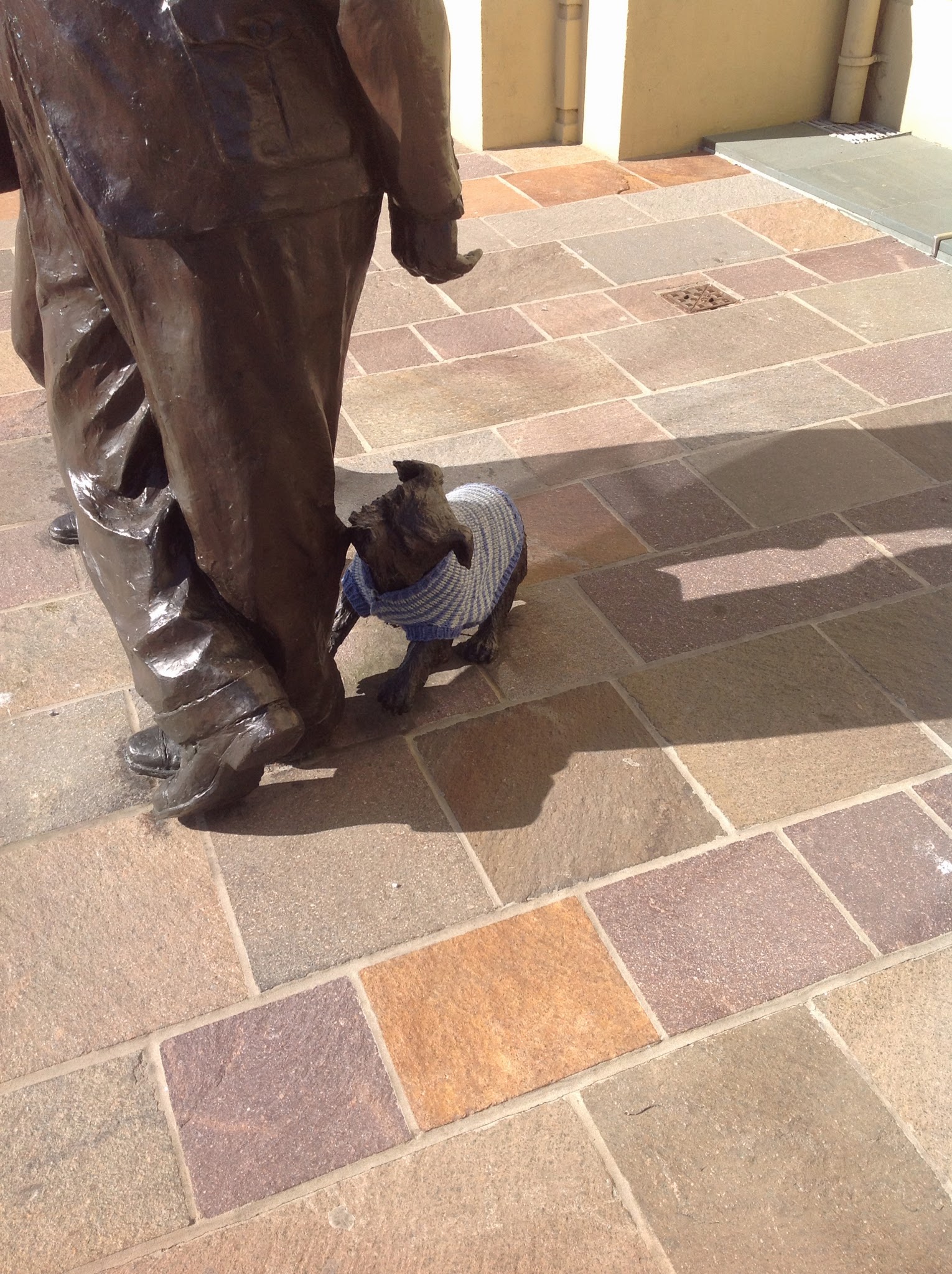
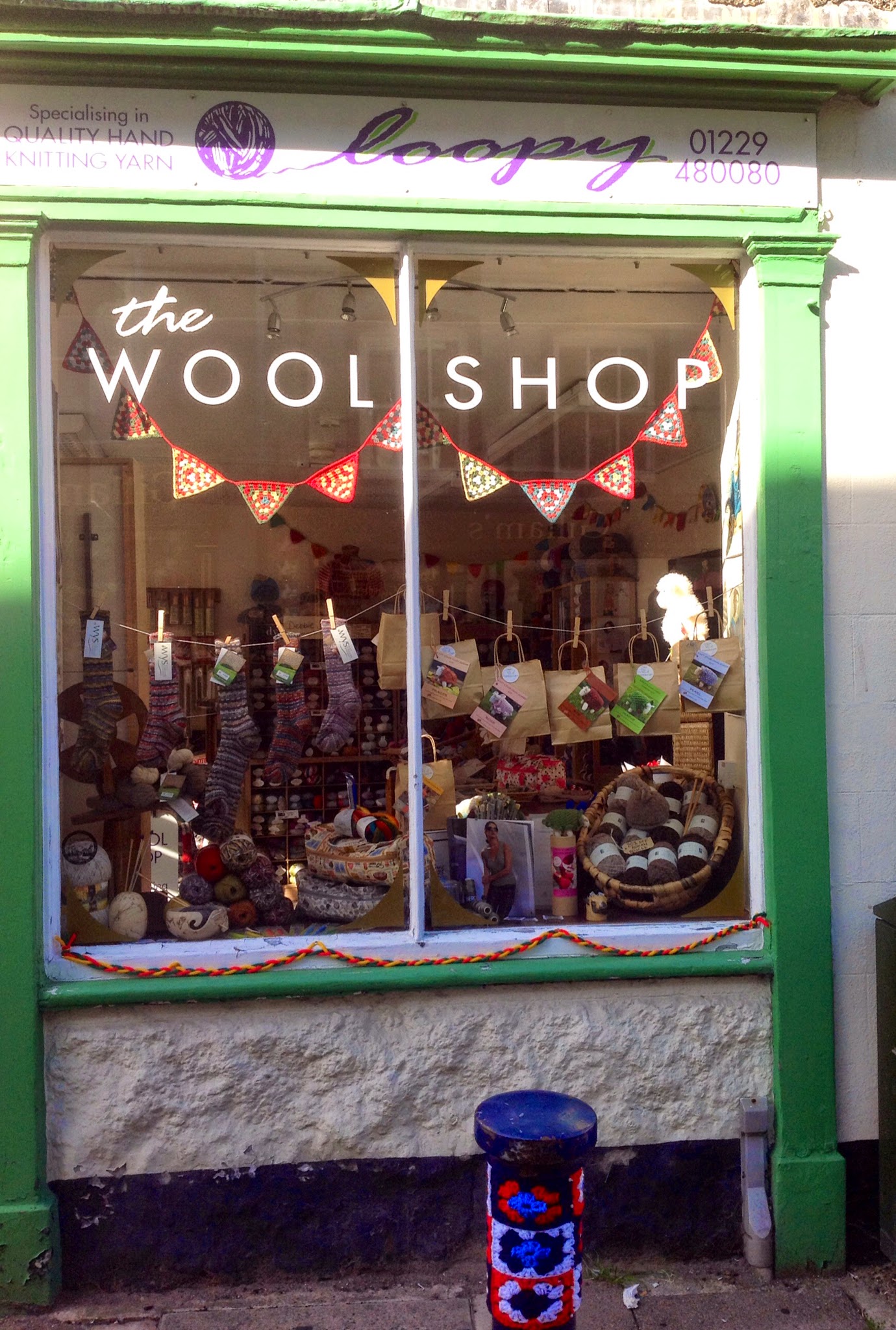
My local wool shop called Loopy was asked to yarn bomb Ulverston and the owner Andrea asked for volunteers to crochet or knit various squares, to help her do this. Along with other volunteers myself, family and friends contributed. I had a walk around the town and took a few photographs.


Saturday, 14 June 2014

First bunch of radish

I haven't done much crocheting or crafts in the last couple of weeks as I have been working in my allotment nearly every day. The plants are growing extremely well and I picked my first bunch of radish last night.


Tuesday, 27 May 2014

Crochet Phone Cover

My mum bought a new phone last week and asked me to crochet her a phone case. My mum gave me a ball of 4 ply merino wool in baby pink, I used an Addi Ergonomic Swing Crochet Hook 2.5mm and a double crochet stitch throughout. I crocheted in a spiral that way I only had one end to stitch together. I stitched a lazy daisy flower on the front of the flap. using wool I bought at the Yarndale festival last year.


Allotment News and Views Part 2

This first photograph is of flowering sage, I did have this in a large pot for about four years but it was getting bigger and bigger and so I decided to transplant and let it spread it's roots a bit.


I have just dug over a space in front of the greenhouse, last year it was full of cornflowers this year I have decided to have it as a mint bed, there are four garden mint plants and one lambs mint. To the left of the mint bed is a row of golden marjoram.


I have one large border at the top of the allotment this is filled with a bay tree, cox apple tree, clematis, soapwort, phlox, bears grass, rose bushes, marjoram, black peppermint, geraniums, lemon balm and a large lovage plant.


I recently saw an offer on the Guardian website for twenty-four lavender plants and all I had to pay was £4.80 for postage. I received them two weeks later, they were lovely healthy plug plants and I have transplanted them to larger pots and they are all doing well, when they are large enough I am hoping to use them as a lavender hedge.


Today I also transplanted the Tamra slicing cucumber plants, instead of putting them in growbags, I decided to plant them in large tubs. I know a few people that have grown them this way and all of them have said they had produced a large crop. The black tubs I bought from Morrisons supermarket, ten for £1, they are florist tubs.


To finish off my photography for the day I have taken a few overall views of the allotment.


Monday, 26 May 2014

Allotment News and Views

I have realised I haven't taken very many photographs of my allotment this year, so this afternoon after I had finished planting I decided to take a few.

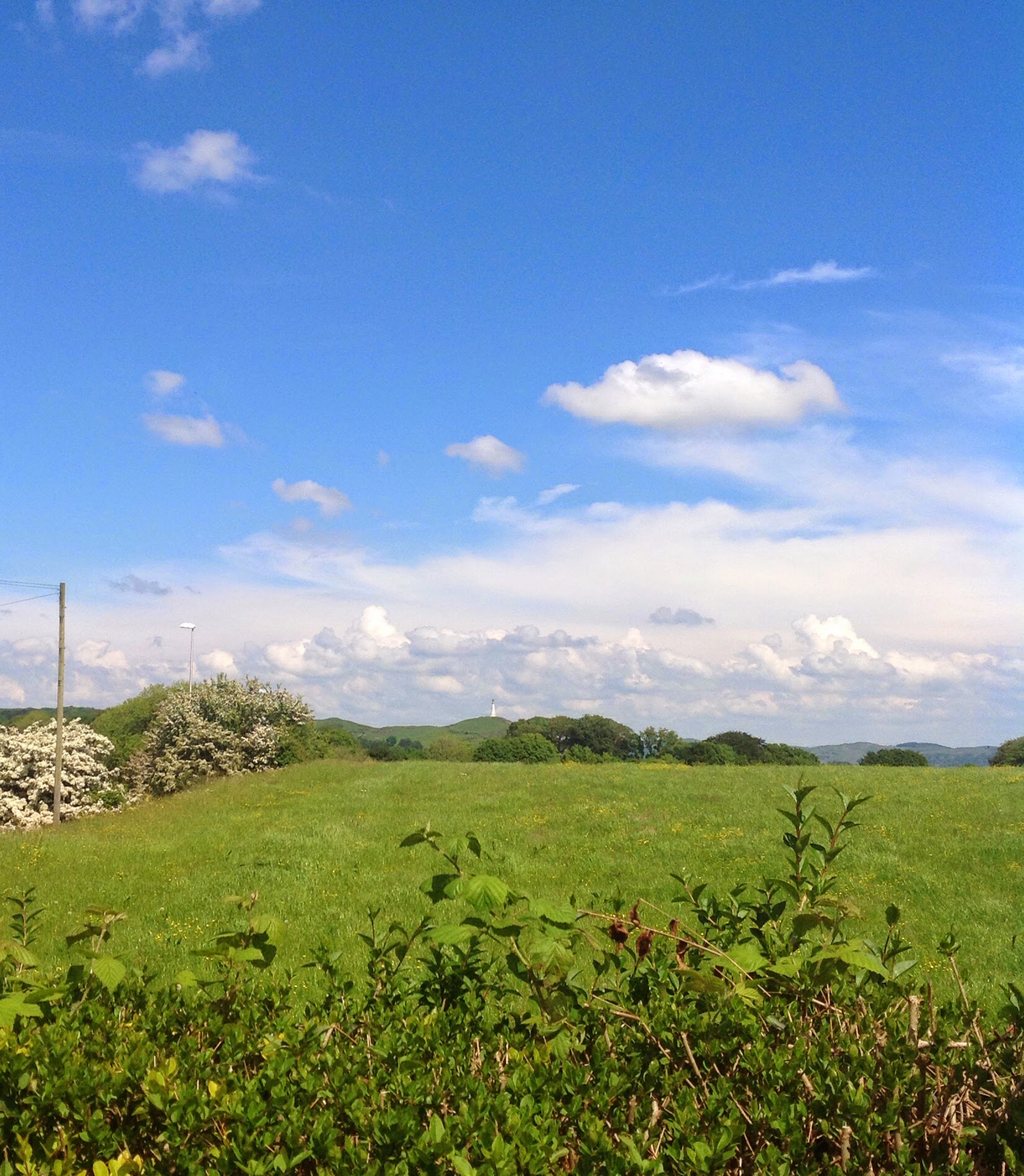
This first photograph is the view from my allotment, in the distance you can see Hoad Monument. The monument is a 100ft tower built on the top of Hoad Hill in Ulverston, it was built in 1850. It commemorates Sir John Barrow who was born in Ulverston in 1764, he was a founder member of the Royal Geographic Society. Hoad Monument is open to the public, I've attached a link to a leaflet from the Ulverston Council website which lists opening times and a detailed background on Sir John Barrow, here


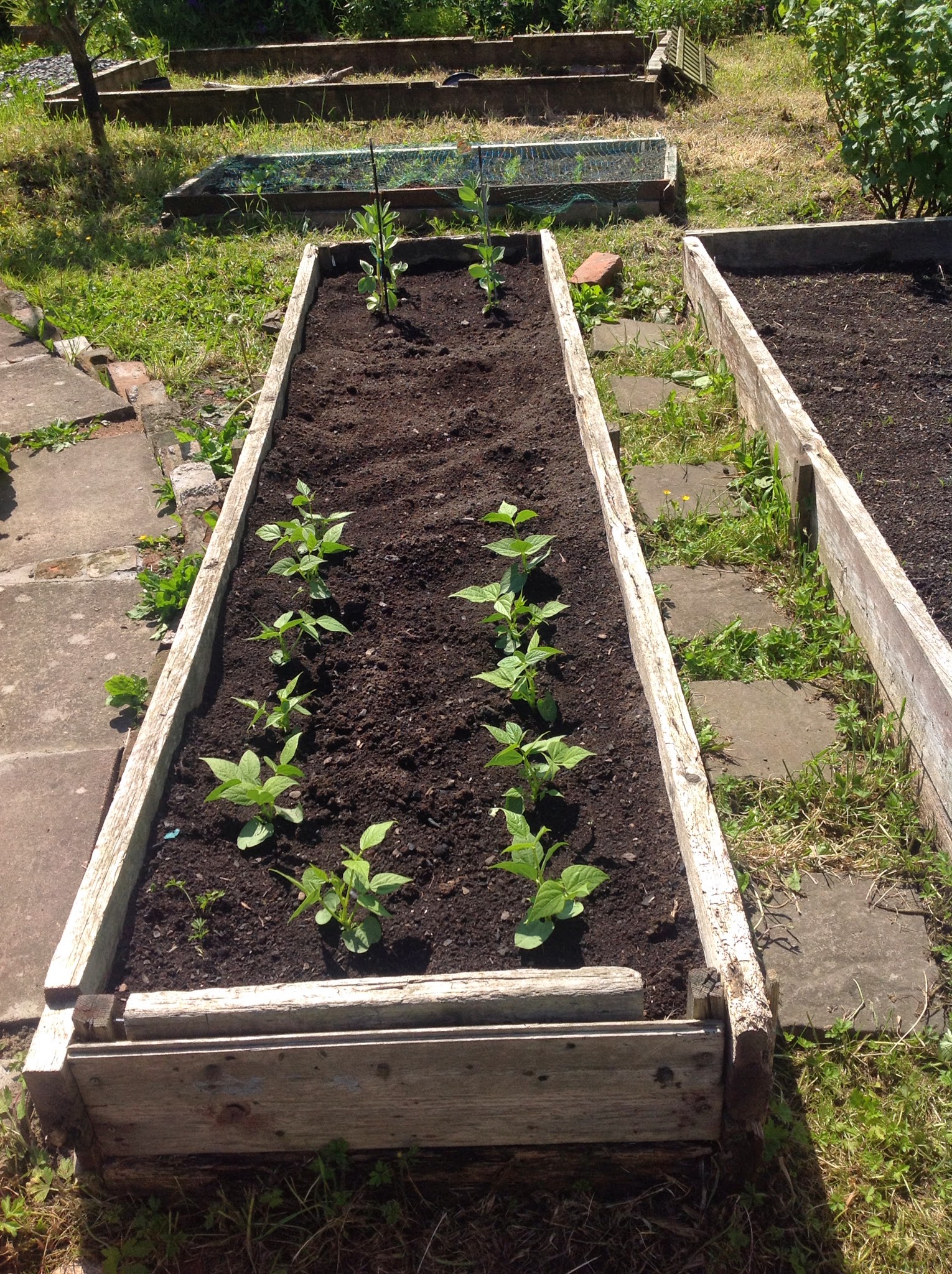
The first raised bed has two different types of beans in so far, Minidor Yellow Dwarf French Bean and Aquadulce Longpod Broad Bean, I have grown all of these from seed. Unfortunately out of the eight broad bean plants I had grown from seed, only four survived.


The second bed belongs to my 4 year old nephew, he has planted a row of crispy lettuce, long and round carrots.


The next bed is full of white Sturon onions.


This is our latest allotment bed, it was full of old strawberry plants, which were not producing very many strawberries so we decided to get rid of them and sometime in the future we will be building two more raised beds especially for strawberries. In the meantime we dug and sieved the soil and dressed it with lime and two weeks later I planted Organic White Globe Turnip, Organic Rubine Brussels Sprouts, Green Brussels Sprouts, Cauliflower and Long Leaf Kale.


The big fern type plant is Sweet Cicely, I am loathe to dig this out as it smells fantastic in the summer, a lovely aniseed type smell, I have stewed rhubarb with a few of these leaves and have also used the seeds in homemade bread, so for the moment it's staying where it is.


At the side of the brassica bed, I have three very large red and green gooseberry bushes and a large blackcurrant bush, in front of these I have nine rhubarb crowns. The other side of the raised beds is a green gooseberry, two blackcurrant bushes, one redcurrant and one white currant bush. We also have two small cox's apple trees.


The next bed has three rows of Bright Lights Chard, three rows of Giant American Spinach, one row of Scarlet Globe Radish, one row each of Organic Rocket, Red and Green Salad Bowl Lettuce, Mizuna, Green Crispy Lettuce.


The last bed has two rows of Johnsons Boltard Beetroot, three rows of Chase Organic Detroit Globe Beetroot, three rows of Savoy Cabbage, and three rows of Pointed Cabbage.


The cabbage plants should really not be planted in with the Beetroot as this bed was going to be the 'fibrous' bed, but I ran out of space so they have had to go together.

There is one plant in the allotment I definitely would not like to be without and that is Soapwort, as it's name suggests it is a form of soap, take three or four leaves and rub them between your hands with a little bit of water and a green foam starts to happen, keep rubbing the leaves together and your hands soon become clean. Apparently the National Trust also use Soapwort to clean some of their old tapestries as modern detergent is too harsh. In the Summer Soapwort also produces small pale pink flowers which have a lovely delicate scent.


My one and only Rhodedenron. This is the only plant that was originally in the allotment when I took it over ten years ago, the rest of the allotment was like a field just full of couch grass and nothing else.

I still have a few other photographs to share but this will have to wait until tomorrow.